This is Part 3 of 4 in our series on organizing a successful corporate workshop.
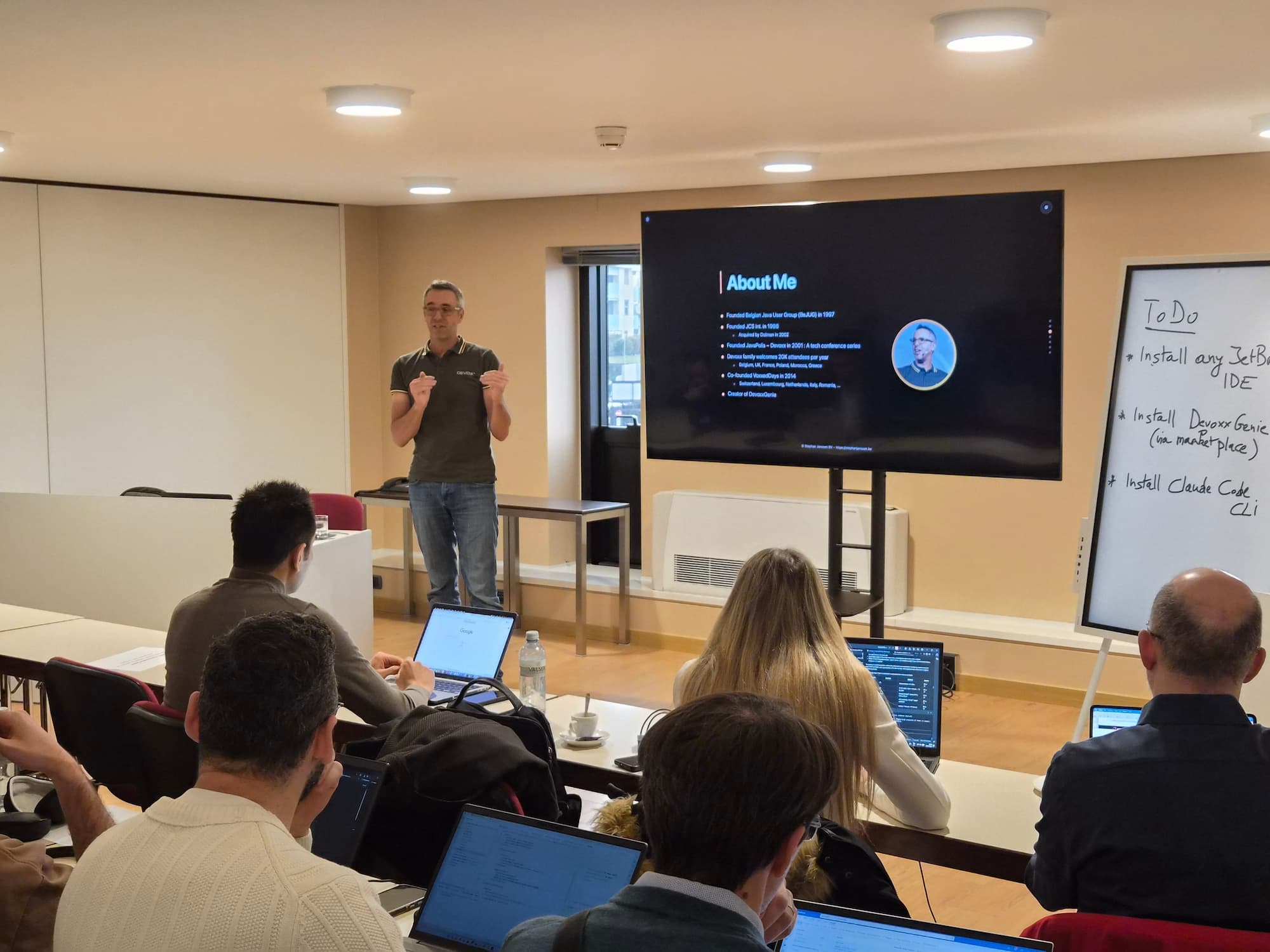
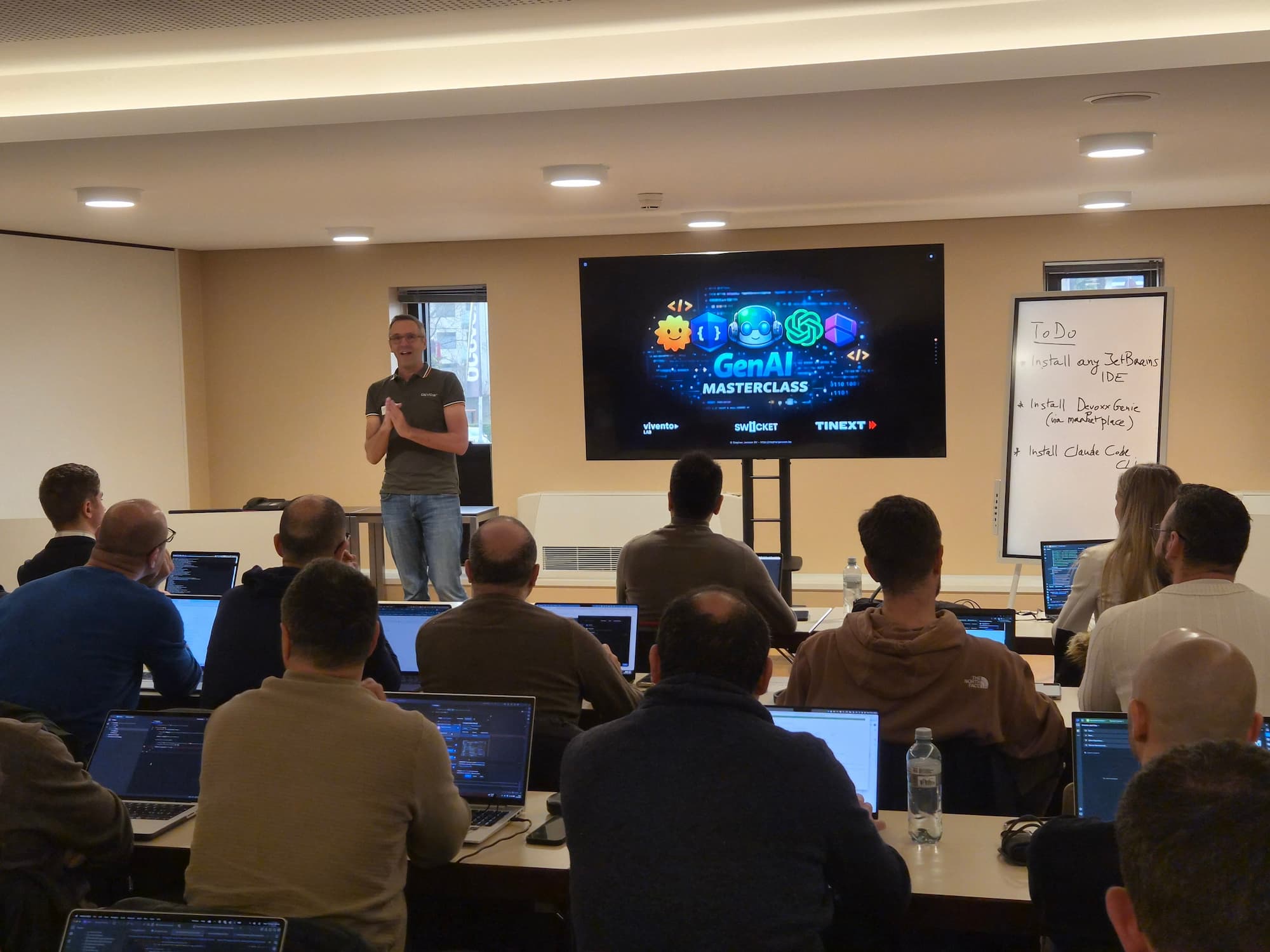
With the right speaker and venue locked in, it is time to plan the agenda and set up registration. When we organized the GenAI Masterclass with Stephan Janssen, we learned that a well-structured agenda and clear attendee communication are just as important as the content itself.
Collaborate with Your Speaker on the Agenda
The speaker knows their material best, so work together to break the content into logical sections with clear learning outcomes. For the GenAI Masterclass, Stephan structured the day into focused modules — each building on the previous one — with time for hands-on exercises between theory blocks. Avoid the temptation to cram too much into one day. A focused agenda with depth beats a packed agenda with breadth every time.
Build in a Morning Buffer
Open doors at least 45 minutes before the official start time. People get stuck in traffic, struggle to find parking, or simply need a few minutes to settle in with a coffee. A morning buffer means you start on time with a full room instead of waiting for stragglers while the punctual attendees grow impatient. Use this time for informal networking — it sets a collaborative tone before the workshop even begins.
Schedule Coffee Breaks Every Two Hours
Attention drops significantly after two hours of focused work. Plan a 15 to 20 minute coffee break at regular intervals. This is not just about caffeine — breaks give attendees time to process what they have learned, ask informal questions, and recharge. For full-day workshops, include a proper lunch break of at least 45 minutes. If possible, serve lunch in or near the workshop room to avoid losing people.
Add Buffer Minutes Between Sections
No workshop runs exactly on schedule. Build 5 to 10 minute buffers between major sections so the speaker can adjust pacing without cutting content or running overtime. These buffers also give you room to handle unexpected questions, technical issues, or exercises that take longer than planned. A realistic schedule is better than an ambitious one that falls apart by noon.
Sample Full-Day Workshop Agenda
08:15 — Doors open, coffee and networking
09:00 — Welcome and introductions
09:15 — Session 1
10:45 — Coffee break
11:00 — Session 2
12:30 — Lunch
13:15 — Session 3
14:45 — Coffee break
15:00 — Session 4 and wrap-up
16:30 — End
Set Up Registration and Attendee Communication
Registration is not just about collecting names — it is your primary communication channel with attendees before the event. You need a tool that lets you send confirmation emails, share logistical details, and send reminders as the date approaches. For the GenAI Masterclass, we used Swicket to handle the entire registration flow: from the sign-up page to automated confirmation emails to pre-event reminders with venue directions and agenda details. Having everything in one platform meant no manual follow-ups and no lost emails.
If you want to see how Swicket can simplify registration and communication for your next workshop, schedule a quick call with our team.
Conclusion
A great agenda respects both the content and the people in the room. Build in buffers, prioritize breaks, and use a registration tool that keeps attendees informed from sign-up to event day. In the final part of this series, we will share the ultimate event-day checklist to make sure everything goes smoothly when the doors open.